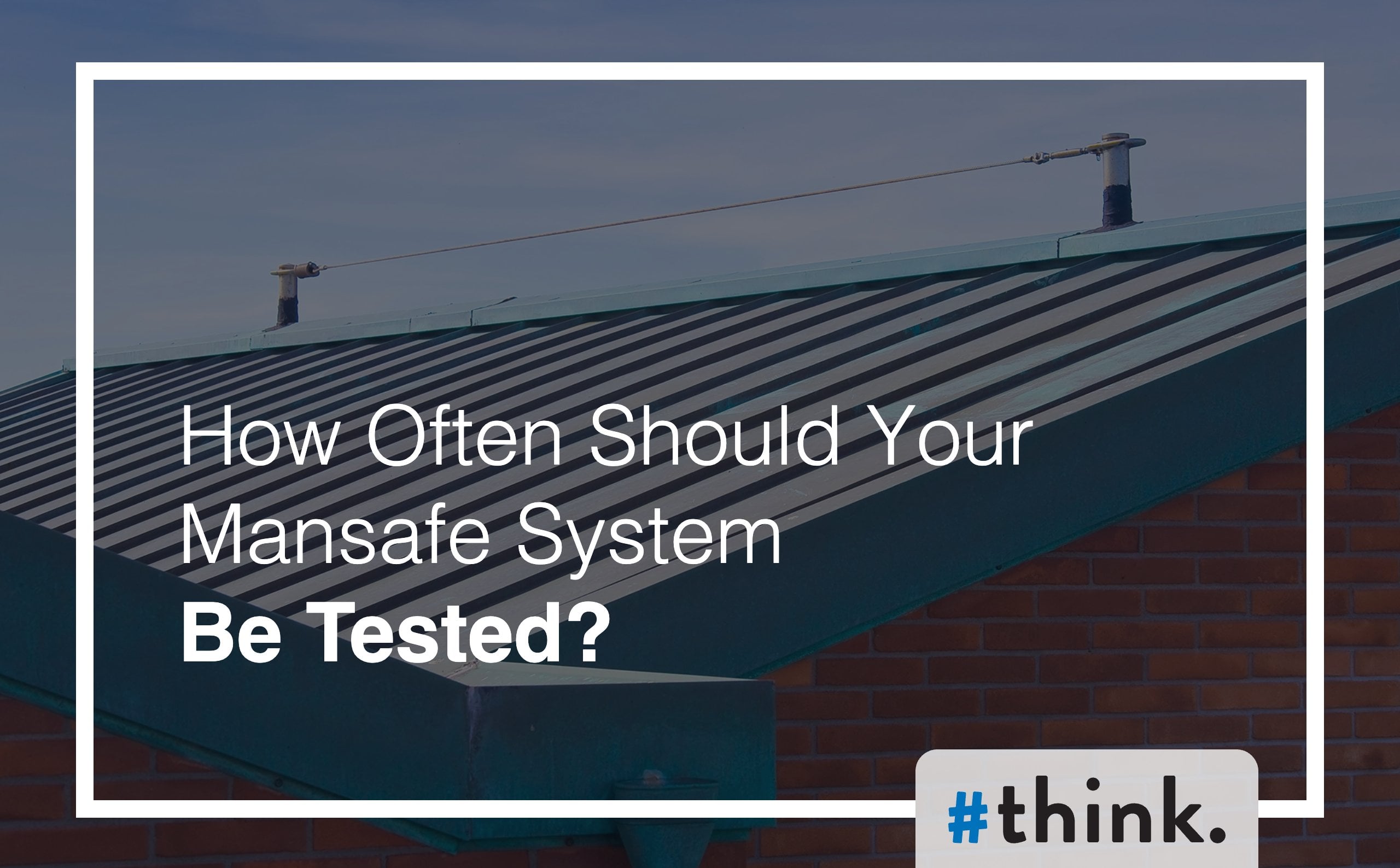
Mansafe Testing: How Often Should Your System Be Inspected and Recertified?
If your building has a Mansafe system on the roof, the installation was only the beginning. Fall protection systems are safety-critical equipment, and UK law expects them to be inspected, tested and recertified on a fixed cycle, not simply left in place until someone needs them. Yet lapsed certification is one of the most common failings we find on site surveys, and it quietly turns a compliant roof into one that no contractor should legally set foot on.
The Short Answer: Every 12 Months as a Minimum
A Mansafe system should undergo a full inspection and recertification by a competent person at least once every 12 months. This annual cycle comes from the standards that govern fall protection equipment in the UK:
- BS EN 365 requires personal fall protection equipment to receive a periodic examination by a competent person at least every 12 months.
- BS 7883:2019, the British Standard covering anchor systems, sets out how roof-mounted anchors and horizontal lifeline systems should be examined, tested and documented. It also recommends annual recertification.
- The Work at Height Regulations 2005 place a legal duty on employers and building owners to ensure that any equipment used for work at height is properly maintained and inspected.
Key takeaway: if your Mansafe certificate is dated more than 12 months ago, the system is out of certification today. Nobody should clip on to it until it has been re-examined.
When Your System Needs Testing More Often
The 12-month interval is a maximum, not a target. The right frequency depends on how the system is used and the environment it lives in:
| Situation | Inspection interval |
|---|---|
| Standard use (maintenance access a few times a year) | Every 12 months |
| System used for rope access or suspension (LOLER applies) | Every 6 months |
| Coastal or corrosive industrial environment | Every 6 months recommended |
| Heavy, regular use by maintenance teams | Risk-assessed, often 6 months |
| System has arrested a fall | Immediately, out of service until re-examined |
| Roof repairs, solar installation or recladding completed | Immediately, before next use |
The “after a fall” rule is absolute: energy-absorbing components are designed to deploy once, so a system that has done its job must be taken out of service and fully inspected before anyone relies on it again.
What Happens During a Mansafe Test?
A proper recertification visit is more than a visual once-over. A competent inspection covers:
- Visual examination of every anchor point, cable line, energy absorber and fixing for corrosion, deformation and wear
- Checking cable tension and the free movement of travellers along the line
- Load testing of anchors where the standard or the manufacturer requires it
- Reviewing the system’s documentation against BS 7883 requirements, including the original installation information
- Tagging each component with its inspection date and issuing a certificate of conformity
The documentation matters as much as the physical test. Under BS 7883:2019, an anchor system without proper installation records cannot simply be recertified on sight. We cover this in more detail in our guide to roof access systems and anchor inspections.
The Cost of a Lapsed Certificate
An out-of-date Mansafe certificate has consequences that reach well beyond the roof:
- Contractors and maintenance teams cannot legally rely on the system, so planned roof work stops or requires costly temporary access measures.
- In the event of an accident, a lapsed certificate exposes the building owner to HSE enforcement and invalidated insurance.
- Compliance audits and tenders increasingly ask for current fall protection certification. A gap in the paperwork is a gap in the bid.
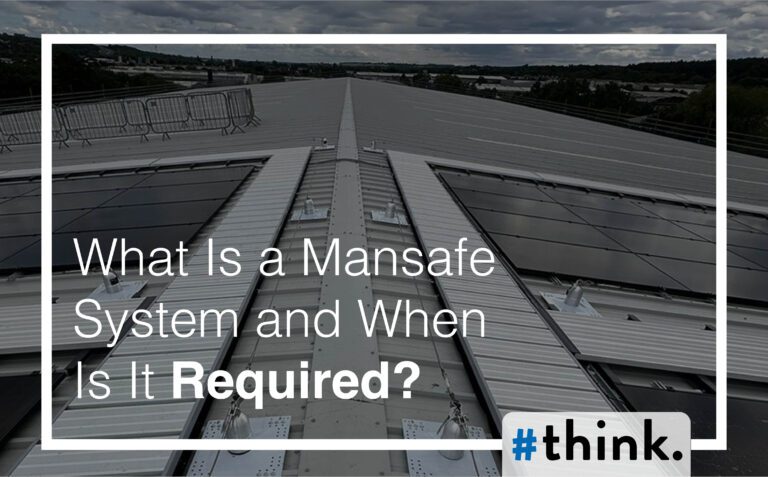
If you are unsure whether your building even needs a Mansafe system, start with our explainer: What is a Mansafe system and when is it required?
Mansafe Testing FAQs
Who is allowed to test a Mansafe system?
A competent person, meaning someone with the training, knowledge and experience to examine the system against the relevant standards, independent of any pressure to pass it. In practice this means a specialist height safety engineer, not a general maintenance contractor.
Does the system need testing if it is hardly ever used?
Yes. Certification is about readiness, not usage. Corrosion, UV degradation and building movement affect a system whether or not anyone clips on. An unused, uncertified system is still a liability the day someone needs it.
What happens if the system fails its inspection?
The failed components are quarantined and tagged as unsafe. You receive a report setting out what needs repair or replacement, and the system is recertified once the remedial work is complete. Until then it must not be used.
How long does a recertification visit take?
Most single-roof systems are inspected in half a day; larger sites with multiple lines and anchor points may take longer. We work around your building’s access arrangements to keep disruption minimal.
Need Your Mansafe System Tested or Recertified?
Think Worksafe’s engineers carry out inspection and testing of Mansafe systems, eyebolts and anchor points across the UK, with certification to BS 7883 and BS EN 365. If your certificate has lapsed, or you have inherited a building and cannot find one, we can survey the system, bring it back into compliance and set up a recertification schedule so it never lapses again. We also design and install new fall restraint systems where existing provision falls short.