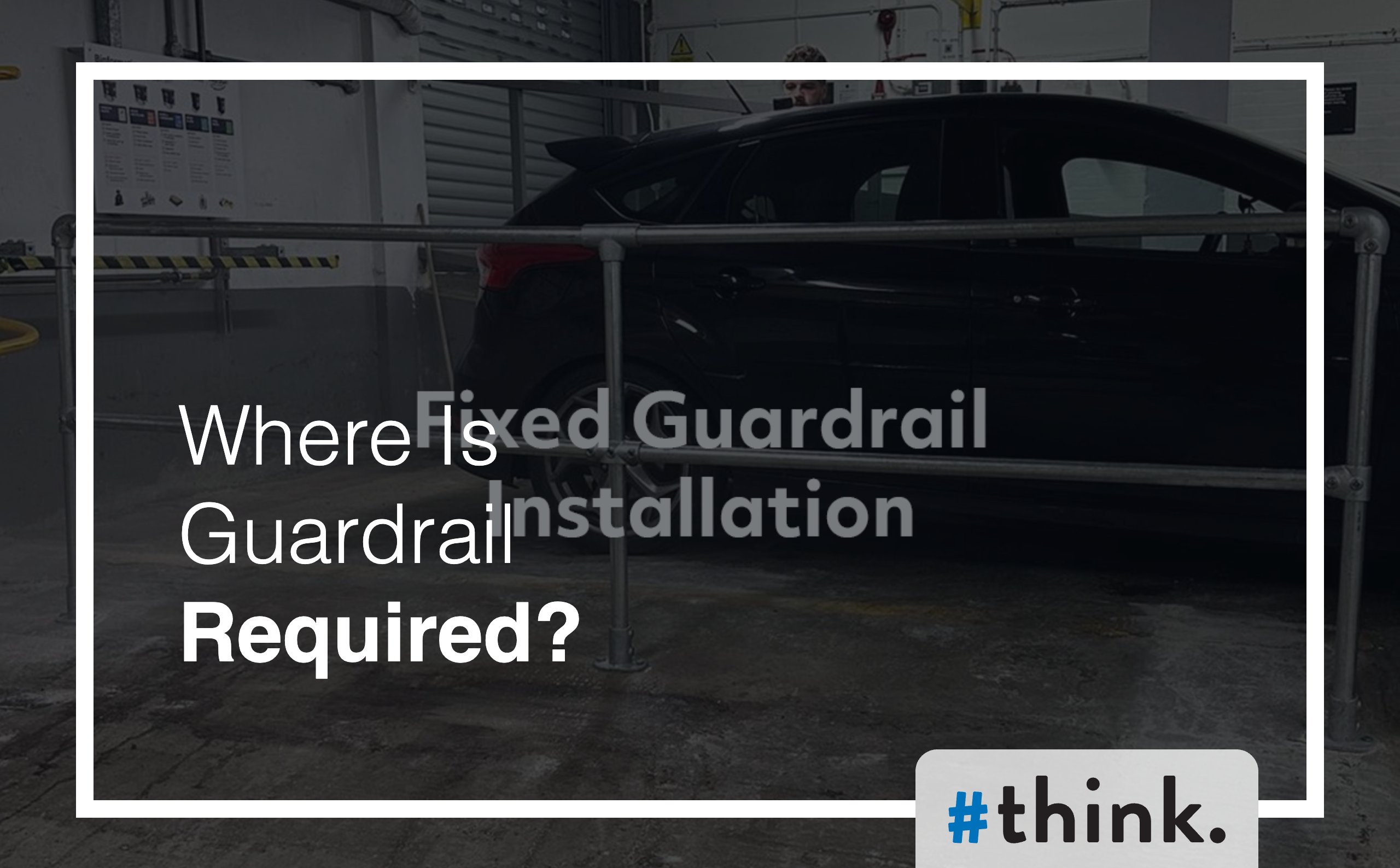
Ask five contractors where guardrail is legally required and you will get five different answers. The law does not name specific buildings or roof types. Instead it sets a duty: wherever people work at height and could fall a distance liable to cause injury, the risk must be controlled, and guardrail sits at the top of the list of controls. Here is how that plays out in practice.
What the Law Actually Says
The Work at Height Regulations 2005 require duty holders to prevent falls using collective protection before personal protection. Guardrail is the classic collective measure: it protects everyone on the roof without harnesses, training or user discipline. If people regularly access a roof edge, an opening or a fragile area, the starting assumption should be that a physical barrier is required and anything less needs justifying.
- For construction work, Schedule 2 of the regulations requires a top guard-rail at least 950mm high, with no gap exceeding 470mm and toe boards where materials could fall.
- For permanent access on buildings, guardrails are normally designed to 1,100mm in line with BS EN 14122-3 and BS 6180.
- Where a roof is visited only rarely, demarcation and personal fall protection may be acceptable, but that judgement should come from a risk assessment, not convenience.
Key takeaway: if a roof has plant on it, someone is up there regularly by definition. Air conditioning, solar and gutters all create routine access, and routine access at an unprotected edge is what guardrail exists to solve.
Where Guardrail Is Usually the Right Answer
- Flat roofs with plant, PV arrays or gutters needing maintenance access
- Roof edges alongside designated walkways and access routes
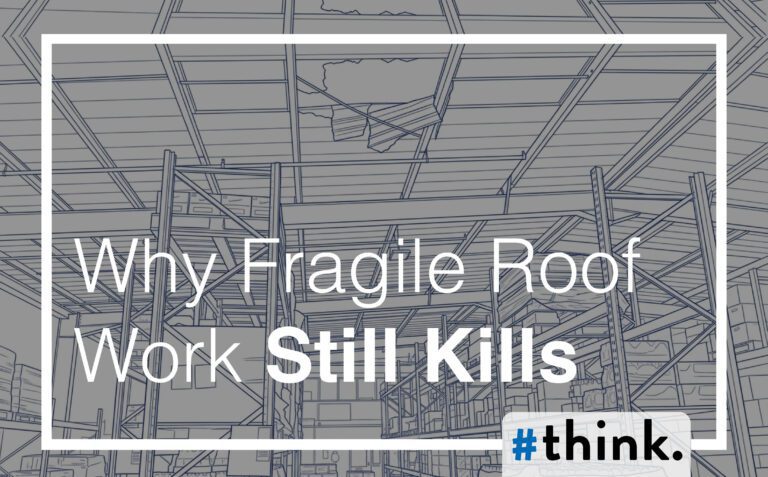
- Around fragile areas such as roof lights, covered in our guide to fragile roof work
- Ladder and hatch access points, paired with self-closing gates
- Internal voids, atrium edges and mezzanine openings
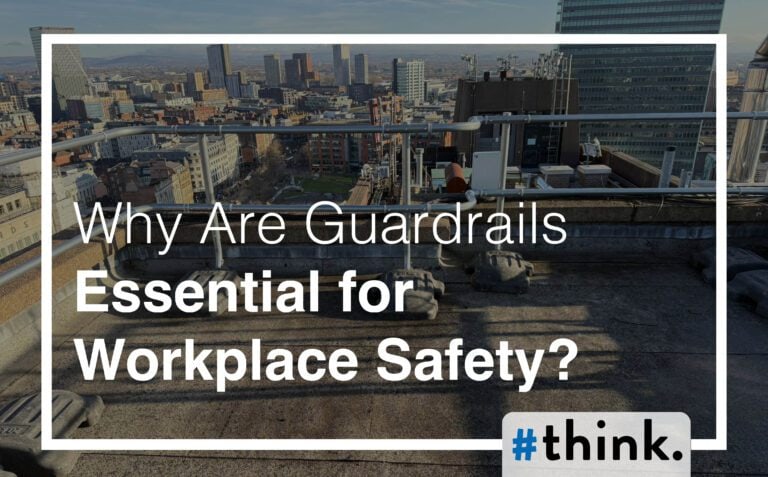
Where fixing to the roof is undesirable, free-standing counterweighted guardrail achieves compliance without penetrating the membrane. For the fundamentals of the systems themselves, see what are guardrail systems.
Guardrail Requirement FAQs
What height does a roof guardrail need to be?
At least 950mm for construction work under Schedule 2 of the Work at Height Regulations, and typically 1,100mm for permanent guardrails designed to BS EN 14122-3 or BS 6180. Existing barriers below these heights should be assessed and upgraded.
Is guardrail required if workers wear harnesses?
The regulations require collective measures to be considered first. A harness protects one trained user who clips on correctly. A guardrail protects everyone. Using harnesses where guardrail is reasonably practicable is the wrong way round legally.
Does a rarely accessed roof need guardrail?
Not always. Where access is genuinely infrequent, demarcated routes and personal fall protection can be acceptable. The decision must come from a documented risk assessment of how often people really go up and what they do there.
Do guardrails need inspecting?
Yes. Guardrail is safety equipment under the regulations and should be inspected periodically, especially free-standing systems whose counterweights and connections can be disturbed. We cover guardrail inspection within our inspection and testing service.
Not Sure What Your Roof Needs?
Think Worksafe designs, installs and certifies permanent guardrail systems across the UK, including free-standing systems that need no roof penetration. A free site survey will tell you exactly where the regulations expect edge protection on your building and where cheaper measures would satisfy the risk assessment.